Breast augmentation is surgery that changes the size and shape of the breasts
using implants. At Sauk Prairie Healthcare in Prairie du Sac, WI, it is
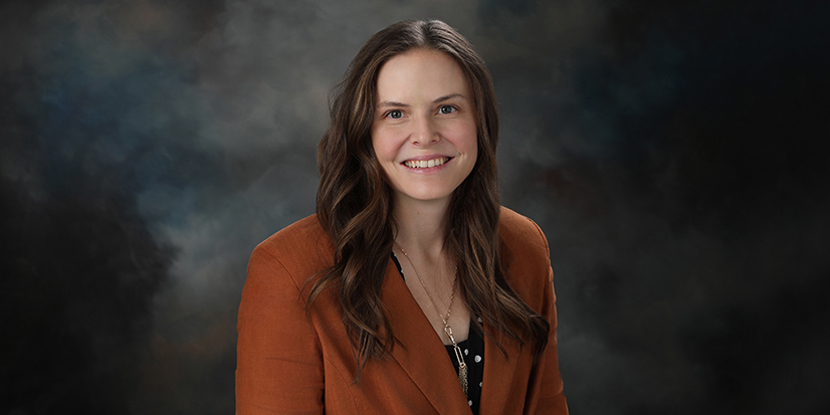
performed by plastic surgeon
Rosaline Reynolds, MD, MS, at the Plastic and Cosmetic Surgery Clinic. Women choose it for different
reasons. Some want to restore fullness lost after pregnancy or weight
loss. Others want to even out breasts that differ in size, or simply want
a fuller shape that suits their body.
The procedure uses either saline or silicone implants. Which one is right
depends on your anatomy and on how you want the result to look and feel,
and it is something you decide together with your surgeon. Implants add
volume, but they do not lift the breast, so some women may need both an
augmentation with a
breast lift when sagging is also a concern.
Care at Sauk Prairie Healthcare begins with a consultation, where you and
Dr. Reynolds review your options and decide whether the procedure is a
good fit. The clinic welcomes patients from Prairie du Sac and Sauk City
as well as the greater Madison area and surrounding communities. The focus
is on results that look natural and suit each individual, with follow-up
close to home.
Is Breast Augmentation Right for You?
Appropriate candidates for breast augmentation are adults in good general
health who understand what the surgery can and cannot do. It can add volume
and improve shape or symmetry, but it is not a treatment for weight loss
and it will not correct significant sagging on its own. Breasts should
be fully developed before surgery, which is one reason age guidelines
exist. The FDA approves saline implants for cosmetic augmentation in women
18 and older, and silicone implants in women 22 and older.
Many women consider augmentation after pregnancy or breastfeeding, after
weight changes, or simply because they want more fullness than they have
naturally. Others are focused on a noticeable size difference between
their breasts. Being a nonsmoker, or willing to stop before and after
surgery, supports healing and lowers the risk of complications. Realistic
expectations matter as much as physical health. A consultation brings
these together, so your surgeon can give you an honest assessment based
on your body and your goals. During the exam, your surgeon also looks
at your skin and breast tissue, which helps show whether an implant alone
will meet your goals or if adding a lift would give a better result.
Saline and Silicone Implant Options
Breast implants come in two main types, and each has a silicone outer shell.
Saline implants are filled with sterile salt water, usually after they
are placed. If a saline implant leaks, the breast visibly softens because
the body safely absorbs the saline, so a rupture is easy to notice.
Silicone gel implants are filled with a soft gel that many people feel
is closer to natural breast tissue. Because the gel stays in place if
the shell is damaged, a rupture can happen without any obvious sign. For
that reason, the FDA recommends periodic imaging with MRI or ultrasound
to check silicone implants over time. Some silicone options use a firmer
cohesive gel, sometimes called a gummy bear implant, that holds its shape well.
Beyond the fill, you and Dr. Reynolds will discuss implant size and shape,
where the incision is placed, and whether the implant sits above or below
the chest muscle. These choices shape both the look of the result and
the recovery, and incision sites are positioned to keep scars as discreet
as possible. There is no single right answer. The best choice is the one
that matches your anatomy and what your surgeon determines will best match
your goals.
What to Expect During Surgery
Breast augmentation is typically an outpatient procedure performed under
general anesthesia, and most patients go home the same day. During surgery,
the implant is placed through a small incision and positioned either under
the breast tissue or beneath the chest muscle, depending on the plan you
and your surgeon agreed upon. A common incision location is the crease
under the breast. This approach is chosen to give good access while keeping
scars easy to conceal. The incision is then closed and supported as it heals.
A few things happen before the day of surgery. The FDA requires a Patient
Decision Checklist that you and your surgeon review and sign together,
confirming you understand the benefits and the risks. Taking time here
matters, because it is easier to feel confident about the result when
the decision was made carefully and without pressure. You will also get
instructions for the days beforehand, such as arranging a ride home and
avoiding certain medications that can increase bleeding.
Recovery After Breast Augmentation
Recovery is different for everyone, but most people can expect soreness,
swelling, and a feeling of tightness in the first several days. Prescribed
medication and a supportive garment help manage this early discomfort.
Many people feel ready to return to desk work and light daily activities
within about a week, while strenuous exercise and heavy lifting wait several
weeks, until your surgeon clears you for them. In the first week or two,
it helps to sleep with your upper body slightly raised and to avoid reaching
overhead, and you should not drive until you are off prescription pain
medication.
The way the breasts look right after surgery is not the final result. Implants
often sit high at first and settle into a more natural position over the
following weeks and months as swelling fades and tissue relaxes. Scars
continue to soften and lighten during this time as well. Follow-up visits
let your care team check healing and answer questions as they come up,
and following activity restrictions during this window protects the result
even once you start feeling well enough to do more.
Caring for Breast Implants Over Time
Breast implants are not considered lifetime devices. The FDA is clear on
this point: the longer implants are in place, the greater the chance of
developing a complication, and some of those complications require additional
surgery. Possible complications include capsular contracture, which is
scar tissue tightening around an implant, along with changes in breast
or nipple sensation and rupture. There is no fixed expiration date and
no rule that implants must be replaced after a set number of years, but
many women do have them removed or replaced at some point.
Planning for that possibility is a normal part of choosing augmentation,
not a sign that something will go wrong. For silicone implants, staying
current with the recommended MRI or ultrasound screening helps catch a
silent rupture early. Keeping a relationship with a plastic surgeon means
decisions about monitoring, revision, or removal are based on how you
are actually doing rather than a guess.
Your Care Team at Sauk Prairie Healthcare
Breast augmentation at Sauk Prairie Healthcare is performed by Rosaline
Reynolds, MD, MS, a female plastic surgeon who trained at the University
of Wisconsin, completing an integrated plastic surgery residency at UW
Hospital & Clinics in Madison. Having a female surgeon is a consideration
for many patients seeking breast surgery. Her areas of interest include
cosmetic and reconstructive breast surgery and body contouring, and she
sees patients at the Plastic and Cosmetic Surgery Clinic in Prairie du Sac.
Getting in to see Dr. Reynolds is straightforward. No referral is required,
and most patients can schedule a consultation within about two weeks.
Virtual consultations are available as well, which is convenient for patients
coming from the greater Madison area or the surrounding counties who want
to start the conversation before making the drive to Prairie du Sac.
Our team will care for you from your initial consultation, through procedure,
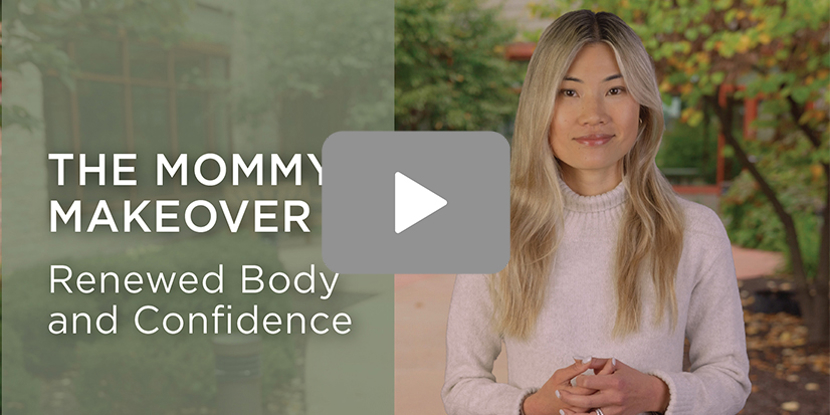
and follow-up. Breast augmentation is one of several cosmetic procedures
offered here, and for women recovering their shape after pregnancy, it
is sometimes combined with other procedures as part of a Mommy Makeover.
Deciding whether to have breast augmentation is personal, and the clearest
way to understand your options is to talk with a surgeon who can examine
your anatomy and listen to what you want. A consultation gives you room
to ask questions, see and feel different implant types, and get answers
based on your situation rather than general information.
Schedule a Breast Augmentation Consultation
To learn whether breast augmentation is right for you, call the Plastic
and Cosmetic Surgery Clinic at Sauk Prairie Healthcare at 608-643-4140
to schedule a consultation with Dr. Reynolds. No referral is needed, in-person
and virtual consultations are available, and most patients can be seen
within about two weeks. You will talk through your goals and compare saline
and silicone options, with answers specific to you. The clinic is at 250
26th Street, Suite 135, in Prairie du Sac, WI.
Frequently Asked Questions About Breast Augmentation
How long does it take to recover from breast augmentation? Most people return to desk work and light activities within about a week,
though soreness and swelling are normal in the first several days. Strenuous
exercise and heavy lifting usually wait several weeks until your surgeon
clears you. The breasts continue to settle into their final shape over
the following weeks and months.
What is the difference between saline and silicone breast implants? Saline implants are filled with sterile salt water, while silicone implants
are filled with a soft gel that many people feel is closer to natural
breast tissue. The FDA approves saline implants for cosmetic augmentation
at age 18 and older and silicone implants at 22 and older. Because a silicone
rupture can be hard to detect, the FDA recommends periodic MRI or ultrasound imaging.
Do breast implants need to be replaced? Breast implants are not lifetime devices, and many women have them removed
or replaced at some point. There is no fixed schedule, but the longer
implants are in place, the greater the chance of a complication that may
call for more surgery. Regular check-ins with your surgeon help you decide
if and when a change makes sense.
Does insurance cover breast augmentation? Cosmetic breast augmentation is elective surgery and is generally not covered
by insurance. Breast reconstruction after a mastectomy is treated differently
and is often covered. Your specific coverage and costs are best reviewed
during your consultation.
Can you breastfeed or have mammograms after breast augmentation? Many women are still able to breastfeed after breast augmentation, though
implants can affect milk supply for some. Mammograms are still possible
and recommended on your normal schedule. Let the technologist know you
have implants so they can take additional images to see all of the breast tissue.
Ready to take the next step? Call
608-643-4140 to schedule a consultation.
________________________________
References:
U.S. Food and Drug Administration. Types of Breast Implants. https://www.fda.gov/medical-devices/breast-implants/types-breast-implants
U.S. Food and Drug Administration. Risks and Complications of Breast Implants.
https://www.fda.gov/medical-devices/breast-implants/risks-and-complications-breast-implants
American Society of Plastic Surgeons. Is it time to replace your breast
implants? https://www.plasticsurgery.org/news/articles/is-it-time-to-replace-your-breast-implants