Breast lift surgery, known medically as mastopexy, is a procedure that
raises and reshapes breasts that have lost their firmness or natural position
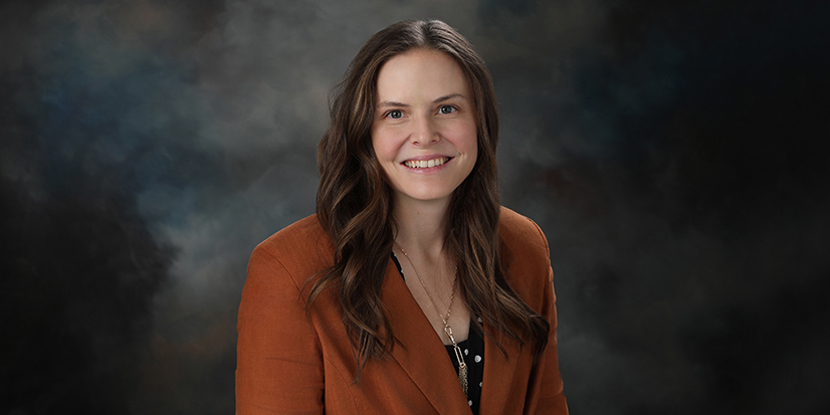
over time. Plastic surgeon Rosaline Reynolds, MD, MS, of Sauk Prairie
Healthcare's
Plastic and Cosmetic Surgery Clinic in Prairie du Sac, Wisconsin, performs breast lift surgery for women who
want to restore breast shape and contour without necessarily changing
size. The procedure removes excess skin and reshapes the underlying breast
tissue, resulting in a firmer, more elevated breast contour.
Many women notice breast changes after pregnancy, breastfeeding, significant
weight loss, or simply through the natural process of aging. Ligaments
that support the breast tissue stretch over time, causing the breasts
to drop and flatten, a condition called ptosis. Breast lift surgery works
with the existing tissue to reposition the breast on the chest and relocate
the nipple-areola complex to a more natural height.
Who Is a Good Candidate for a Breast Lift?
The right candidate for mastopexy is a woman who is bothered by the position
or shape of her breasts, not primarily by their size. Women who notice
that their nipples point downward, that the breast tissue sits below the
natural fold, or that the upper portion of the breast looks deflated relative
to where it once was are typically describing the changes that a lift
addresses.
Good candidates are generally in stable overall health and at a stable
weight. Significant weight loss after surgery can lead to loose skin and
affect results, so women who are actively working toward a target weight
may benefit from reaching that goal before proceeding. Women who are considering
future pregnancies should raise that during their consultation, since
pregnancy and breastfeeding can alter the outcome of a lift over time.
Breast lift surgery is not indicated for women whose primary concern is
volume. A breast that has lost volume but retained adequate position may
be better addressed with augmentation. Dr. Reynolds evaluates each patient
individually and will outline which procedure or combination of procedures
aligns with what the patient wants to achieve.
What Happens to Breast Tissue Over Time
Ptosis is the medical term for breast drooping, and it exists on a scale
from mild to severe. Plastic surgeons classify ptosis by where the nipple
sits in relation to the breast fold. In mild cases, the nipple rests near
the fold. In moderate to severe ptosis, the nipple has descended well
below the fold and the breast tissue has shifted downward and outward,
losing the fullness that once occupied the upper breast.
Several factors contribute to this change. Pregnancy and breastfeeding
expand and then contract the breast, stretching the overlying skin. Significant
weight fluctuations have a similar effect. Skin loses elasticity with
age, and the Cooper's ligaments, the connective tissue that provides internal
breast support, loosen gradually over decades. Larger, heavier breasts
tend to develop ptosis earlier than smaller ones because gravity applies
more sustained force over a greater mass.
Some women present with pseudoptosis, where the breast tissue drops below
the fold but the nipple remains at the fold level. This distinction matters
because it may point toward a different surgical approach. An accurate
assessment during consultation clarifies the degree and type of ptosis
and determines what will produce the most appropriate result.
Breast Lift Techniques: Matching the Incision to the Anatomy
There is no single technique that suits every patient. The incision pattern
used depends on the degree of ptosis, the amount of excess skin present,
the size and shape of the breast, and what the patient wants to achieve.
Each approach produces a different scar pattern, and the tradeoff between
the extent of the incision and the degree of lift achievable is a central
part of the planning conversation.
For mild ptosis with minimal excess skin, a periareolar approach places
the incision around the edge of the areola. This has a limited lifting
effect and works best when modest reshaping is all that is needed. A vertical,
or lollipop, technique adds a second incision running from the lower edge
of the areola to the breast fold and allows for more substantial reshaping
in cases of moderate ptosis. The anchor technique adds a horizontal incision
along the breast fold and provides the most significant lift for patients
with severe ptosis or larger amounts of redundant skin.
Dr. Reynolds will review your anatomy during the consultation and explain
which approach or combination of approaches is most appropriate for your
situation. The goal in every case is the most effective result with the
appropriate incisions the degree of ptosis requires. Dr. Reynolds completed
her Plastic Surgery Integrated Residency at the University of Wisconsin
Hospital and Clinics in Madison and is board eligible with the American
Board of Plastic Surgery, with a practice focus that includes cosmetic
breast surgery, body contouring, and reconstruction.
What to Expect Before, During, and After Surgery
The process begins with a consultation at the Sauk Prairie Healthcare Plastic
and Cosmetic Surgery Clinic. Dr. Reynolds will review your medical history,
assess your breast anatomy, and discuss your goals in detail. You will
have the opportunity to ask questions about the procedure, the recovery
process, scarring, and what outcomes are realistic given your anatomy
and starting point.
Before surgery, you will receive instructions covering medications to avoid,
dietary guidelines, and what to arrange at home for your recovery. Breast
lift surgery is typically performed under general anesthesia on an outpatient
basis, and the procedure generally takes two to three hours depending
on the technique and whether another procedure is being performed at the
same time.
During surgery, the planned amount of excess skin is removed, the breast
tissue is reshaped, and the nipple-areola complex is repositioned. Incisions
are closed in layers, and patients leave wearing a supportive bra or surgical
wrap that helps maintain the new contour during early healing. The first
several days after surgery may bring some soreness and fatigue, and the
breasts are likely to appear swollen and bruised as initial healing begins.
Discomfort can generally be managed with prescribed medication and often
transitions to over-the-counter options within the first week.
Recovery and Long-Term Results
Most patients return to light daily activities within one to two weeks,
though individual recovery varies. Strenuous exercise, heavy lifting,
and overhead reaching should be avoided for at least four to six weeks
to allow the tissue to heal without tension on the incisions. Swelling
continues to resolve over the following weeks, and the final breast shape
emerges gradually over several months as the tissue settles.
Scars from mastopexy are permanent, but they tend to fade noticeably over
12 to 18 months. Their final appearance depends on individual healing
characteristics, skin type, and consistent attention to scar care guidance
in the months after surgery. Dr. Reynolds and the Sauk Prairie Healthcare
team follow patients through recovery, with scheduled appointments to
monitor healing progress and address questions as they come up.
Breast lift surgery produces results that are durable for many years. According
to the American Society of Plastic Surgeons, mastopexy is consistently
among the most frequently performed cosmetic surgical procedures in the
United States, with more than 100,000 procedures performed annually. Natural
aging and significant weight changes will continue to affect breast appearance
over time, but a well-planned lift provides a lasting improvement in shape
and position.
Insurance Coverage
Breast lift surgery is considered a
cosmetic procedure and is generally not covered by health insurance. In rare circumstances,
partial coverage may apply if there is a documented functional concern,
but this is uncommon. The clinic team can discuss financing options during
your consultation.
For women who have noticed changes in breast shape, position, or firmness
and want to understand their options, a complimentary consultation with
Dr. Reynolds is the right starting point. There is no obligation to proceed,
and a direct conversation about your anatomy and goals is the most useful
way to determine what mastopexy can realistically offer.
Schedule a Consultation
To schedule a complimentary consultation about breast lift surgery with
Dr. Rosaline Reynolds at Sauk Prairie Healthcare's Plastic and Cosmetic Surgery Clinic, call
608-643-4140. The clinic is located in Prairie du Sac, Wisconsin, at 250
26th Street, Suite 135. A consultation gives you a clear picture of what
mastopexy can realistically achieve for your anatomy, which technique
is most appropriate, and what recovery will involve.
Frequently Asked Questions About Breast Lift Surgery
How long do the results of a breast lift last? Breast lift surgery typically produces results that last many years, though
the outcome is influenced by aging, gravity, and significant changes in
weight or body composition over time. Most patients maintain a noticeably
improved breast position for a decade or more. Women who remain at a stable
weight and follow post-surgical guidance tend to preserve results longer.
Will a breast lift change the size of my breasts? A breast lift alone does not significantly change breast volume. The procedure
reshapes and repositions existing tissue by removing excess skin and elevating
the breast on the chest wall. Some patients notice a modest reduction
in size as part of reshaping.
What is the recovery time after mastopexy? Most patients are able to return to light activities within one to two
weeks following breast lift surgery. Strenuous activity and heavy lifting
are typically restricted for four to six weeks to allow proper tissue
healing. Swelling resolves gradually over several weeks to a few months,
and the final shape becomes fully visible as healing progresses.
Will I have visible scars after a breast lift? Breast lift surgery leaves permanent scars, with the extent and placement
depending on the technique used. Scars typically fade considerably over
12 to 18 months and are positioned in areas that can generally be covered
by bras and swimwear. Following the care team's scar management guidance
can improve how scars appear over time, and individual healing characteristics
play a meaningful role in the final result.
Can I breastfeed after breast lift surgery? Breastfeeding after a breast lift is possible for many women, though there
is some risk of reduced milk supply or changes in nipple sensation depending
on the technique used. Women who plan to have children in the future should
discuss this during their consultation so that timing and technique can
be considered with that goal in mind.
Ready to take the next step? Call
608-643-4140 to schedule a consultation.
________________________________
References:
American Society of Plastic Surgeons (ASPS). Plastic Surgery Statistics
Report. plasticsurgery.org/news/plastic-surgery-statistics
American Society of Plastic Surgeons (ASPS). Breast Lift (Mastopexy). plasticsurgery.org/cosmetic-procedures/breast-lift
Mayo Clinic. Breast Lift. mayoclinic.org/tests-procedures/breast-lift/about/pac-20393218
American Board of Plastic Surgery. Certification Standards. abplsurg.org