Losing a significant amount of weight, whether through bariatric surgery,
GLP-1 medications, or changes to diet and exercise, is a meaningful health
achievement. But for many people, significant weight loss reveals a physical
reality that no amount of continued effort can change: skin that has been
stretched over time does not automatically contract once the underlying
tissue is gone. Body contouring after weight loss is a term for the range of
plastic surgery procedures designed to remove this excess skin and reshape the body after
major weight reduction. At Sauk Prairie Healthcare’s Plastic and
Cosmetic Surgery Clinic in Prairie du Sac, Wisconsin, these procedures
are performed by
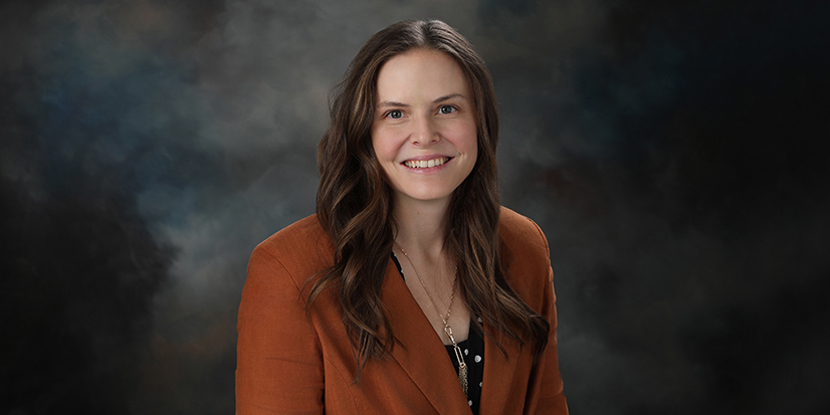
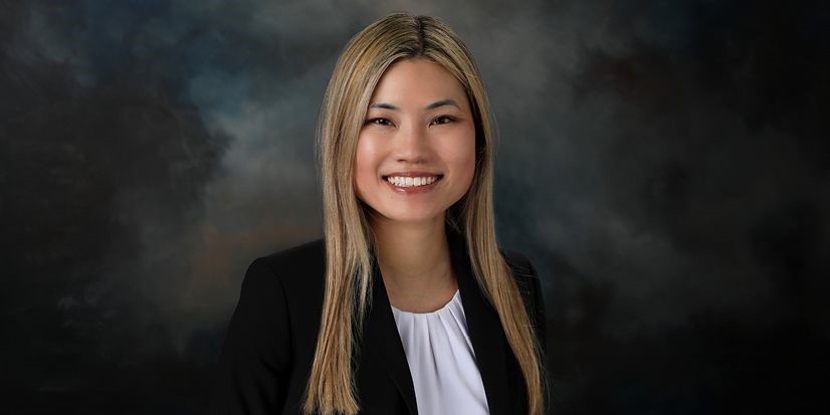
Rosaline Reynolds, MD, MS, a plastic surgeon with specialized training in body contouring and reconstructive surgery.
The skin that remains after significant weight loss can affect multiple
areas of the body, including the abdomen, arms, thighs, and breasts. How
much skin persists and where it appears depends on the degree of weight
loss, individual skin characteristics, and age, among other factors. For
many patients, the concern is not cosmetic alone. Excess skin can interfere
with hygiene, limit physical activity, cause skin irritation, and affect
overall quality of life. A consultation with Dr. Reynolds is the appropriate
starting point for understanding which options apply and whether surgery
is a reasonable path forward.
Why the Body Does Not Automatically Rebound After Weight Loss
Skin has a natural capacity to stretch and, to a degree, retract. This
capacity depends largely on elastin, the protein that gives skin its structural
resilience. When the body carries a significantly higher weight over months
or years, the skin stretches to accommodate it. That stretching gradually
damages the elastin fibers within the skin, and once that damage accumulates
past a certain point, the skin cannot meaningfully contract again, even
after the underlying body mass is reduced.
Age, duration of elevated weight, the amount of weight lost, and genetics
all influence how well skin responds. Younger patients with smaller amounts
of weight loss may experience some natural tightening over time. Patients
who have lost 50 or more pounds, particularly over a longer period, are
far more likely to find that loose skin persists regardless of what they
do afterward. Exercise improves muscle tone and overall fitness, but it
does not rebuild damaged elastin or shrink skin that has already lost
its elastic structure. This is a physiological limit, not a reflection
of effort.
Procedures Available for Post-Weight-Loss Body Contouring
Body contouring after weight loss is not a single operation. It is a category
of procedures, and a surgical plan is built around the areas of the body
most affected for each individual patient.
The abdomen is among the most commonly treated areas. Abdominoplasty, commonly
called a tummy tuck, removes excess abdominal skin and fat and can repair
the underlying abdominal wall in cases where muscle laxity is present.
For patients whose excess abdominal skin has caused recurring skin infections
or persistent physical discomfort,
panniculectomy may be the more appropriate approach. An arm lift, clinically referred
to as brachioplasty, addresses loose, sagging skin in the upper arm from
the elbow to the armpit, a common concern after major weight loss. A thigh
lift removes excess skin from the inner or outer thighs, which can reduce
friction and improve the ability to move comfortably.
Breast tissue also frequently changes after significant weight loss, often
resulting in a loss of volume or a change in position. A breast lift repositions
the breast and nipple-areola complex to a higher position when sagging
has occurred. A lower body lift, also called a belt lipectomy, addresses
excess skin across the lower abdomen, hips, buttocks, and outer thighs
in a single operation. It is typically considered for patients with significant
skin redundancy across multiple lower body areas. Liposuction may also
accompany skin removal procedures to address small, isolated areas of
resistant fat. Dr. Reynolds evaluates each patient individually and develops
a plan based on the specific areas of concern, the degree of skin redundancy,
and the patient’s overall health and goals.
Who Is a Good Candidate for Body Contouring After Weight Loss?
According to the American Society of Plastic Surgeons, good candidates
for body contouring after weight loss are adults whose weight has stabilized,
who are in good health without conditions that significantly impair wound
healing, who do not smoke, and who have realistic expectations for outcomes.
These criteria apply whether the weight loss was achieved through bariatric
surgery, GLP-1 medications such as semaglutide, or lifestyle changes alone.
Smoking is a meaningful concern with any skin removal procedure. Nicotine
reduces blood flow to the skin and slows the healing process, which raises
the risk of wound complications, particularly after procedures involving
large incisions. Patients are asked to stop smoking before surgery and
remain smoke-free through recovery. Underlying health conditions, including
diabetes and cardiovascular disease, are evaluated on a case-by-case basis.
They do not automatically disqualify a patient, but they require careful
planning with Dr. Reynolds and the broader care team to ensure the timing
and approach are appropriate.
Timing: When to Begin Planning for Surgery
Approaching body contouring surgery at the right point in the weight loss
process matters significantly for outcomes. Operating while weight is
still actively changing, whether decreasing or fluctuating, increases
surgical risk and reduces the likelihood that results will be durable.
Weight that shifts substantially after surgery can affect what the procedure
accomplished.
Most surgical teams recommend maintaining a stable, sustainable weight
for 6 months before proceeding with body contouring. This period allows
the body to fully settle after weight reduction and gives patients a clearer
sense of which areas remain a concern. For those who achieved weight loss
through bariatric surgery, the wait also allows nutritional levels to
stabilize, which matters for healing. Patients who have reached a plateau
but not yet at their final goal are encouraged to discuss the timing with
Dr. Reynolds before committing to a procedure.
GLP-1 medications, which have become widely used for weight management
in recent years, add a specific timing consideration. Patients who are
still actively losing weight while on these medications are generally
not yet optimal surgical candidates. Those who have recently discontinued
a GLP-1 medication may also benefit from ensuring their weight has stabilized
before scheduling surgery. Dr. Reynolds discusses all of these factors
during the consultation.
Cosmetic vs. Functional: What Insurance May Cover
Post-weight-loss body contouring procedures range from cosmetic to reconstructive,
and the distinction affects insurance coverage. Most procedures, including
abdominoplasty, arm lift, thigh lift, and breast lift, are considered
cosmetic and are paid out of pocket. Insurance is not typically available
for procedures performed primarily for aesthetic improvement.
Coverage may apply in some situations, however. When excess abdominal skin
causes recurring, documented skin infections or physical symptoms, panniculectomy
may qualify as a reconstructive procedure and meet the criteria for insurance
coverage. Breast reduction may also be covered when it addresses medically
documented symptoms such as chronic back or shoulder pain. Both situations
require pre-authorization with thorough clinical documentation, and coverage
decisions vary by insurer. Dr. Reynolds’ team works with patients
to understand what their specific insurer is likely to require and whether
their documented history supports a functional classification.
Planning Recovery When Multiple Procedures Are Involved
Recovery from body contouring after weight loss varies depending on which
procedures are performed and whether they are done together or staged
across separate sessions. A single-area procedure, such as an arm lift
or thigh lift, typically requires two to four weeks before returning to
most daily activities, with more strenuous exercise restricted for four
to six weeks. A lower body lift involves a longer, more physically demanding
recovery, around eight weeks, and requires more substantial planning for
support at home.
When multiple areas need to be addressed, patients and their surgeon weigh
whether to combine procedures in one session or approach them in stages.
A combined approach reduces the total number of recovery periods, which
can be an important practical consideration for people with work and family
commitments. That said, the decision is always guided by safety first:
total operating time, the patient’s overall health, and what is
realistic to accomplish within safe parameters. Some patients are better
served by prioritizing their most significant concerns in a first operation
and returning for additional procedures once fully recovered. Dr. Reynolds
is direct about what she recommends and why, so patients can make informed
decisions with a clear understanding of what to expect.
Sauk Prairie Healthcare’s care team remains involved throughout recovery,
with scheduled follow-up appointments and a consistent point of contact
for questions as they arise.
Significant weight loss changes the body in ways that effort alone cannot
fully resolve. For patients living with loose or excess skin, body contouring
can close that gap, improving physical comfort, movement, and confidence
in a way that reflects the work already done. At Sauk Prairie Healthcare
in Prairie du Sac, these procedures are available through one surgical
team in an accredited hospital setting, close to home for patients throughout
both Dane and Sauk County and the surrounding region.
Schedule a Body Contouring Consultation at Sauk Prairie Healthcare
To schedule a complimentary consultation for body contouring after weight
loss, call the Plastic and Cosmetic Surgery Clinic at 608-643-4140. The
clinic is located at 250 26th Street, Suite 135 in Prairie du Sac, Wisconsin.
A consultation is an opportunity to review your options, ask questions,
and receive a direct, individualized assessment of which body contouring
procedures may be appropriate for you.
Frequently Asked Questions About Body Contouring After Weight Loss
How long should I wait after weight loss before considering body contouring surgery? Most plastic surgeons recommend maintaining a stable weight for 6 months
before scheduling body contouring surgery. Weight that is still changing
increases surgical risk and can affect the durability of results. For
patients who lost weight through bariatric surgery, the waiting period
also allows nutritional levels to stabilize, which supports safer healing.
What procedures are available for excess skin after significant weight loss? Post-weight-loss body contouring may include abdominoplasty, panniculectomy,
arm lift, thigh lift, breast lift, lower body lift, and liposuction. The
appropriate combination depends on which areas are affected and the degree
of skin redundancy in each. A consultation with a plastic surgeon establishes
what a personalized plan would include for your specific situation.
Does insurance cover body contouring after weight loss? Most post-weight-loss body contouring procedures are considered cosmetic
and are paid out of pocket. However, when excess abdominal skin causes
recurring skin infections or documented physical problems, panniculectomy
may qualify for insurance coverage as a functional procedure. Breast reduction
may also be covered when medically necessary. Both require pre-authorization
and documentation of symptoms, and coverage varies by insurer.
Can loose skin after major weight loss be removed with surgery? Yes. Surgical body contouring removes excess skin that does not retract
after major weight loss. The procedures address what happens when skin
has been stretched past its capacity to contract, which exercise and continued
weight loss cannot correct on their own. The areas treated and the amount
of skin removed depend on individual anatomy, the extent of the weight
loss, and the patient’s goals.
Is it safe to combine multiple body contouring procedures in one surgery? Combining procedures in a single operation is an option for many patients
and reduces the number of separate recovery periods. Whether it is appropriate
depends on the patient’s overall health, the total length of the
operation, and what can be safely accomplished in one session. In some
cases, staging procedures separately is the safer path, and the surgeon
will provide a clear recommendation based on the individual evaluation.
Ready to take the next step? Call
608-643-4140 to schedule a consultation.
________________________________
References:
American Society of Plastic Surgeons (ASPS). Body Contouring. plasticsurgery.org/cosmetic-procedures/body-contouring
American Society of Plastic Surgeons (ASPS). Body Contouring Candidates.
plasticsurgery.org/cosmetic-procedures/body-contouring/candidates
American Society of Plastic Surgeons (ASPS). Body Contouring Brings Lasting
Improvement in Quality of Life After Weight-Loss Surgery. Plastic and
Reconstructive Surgery, 2012. plasticsurgery.org
American Society of Plastic Surgeons (ASPS). When Is the Time Right for
Body Contouring After Major Weight Loss? plasticsurgery.org
American Society for Metabolic and Bariatric Surgery (ASMBS). Body Contouring
After Bariatric Surgery. asmbs.org
Mayo Clinic. Tummy tuck (abdominoplasty). mayoclinic.org
American Society of Plastic Surgeons (ASPS). Body Contouring Procedures
Following Weight Loss. Plastic Surgery News, November 2024. plasticsurgery.org