
Level III Trauma Center Certification Earned by Sauk Prairie Healthcare
- Category: News
- Posted On:
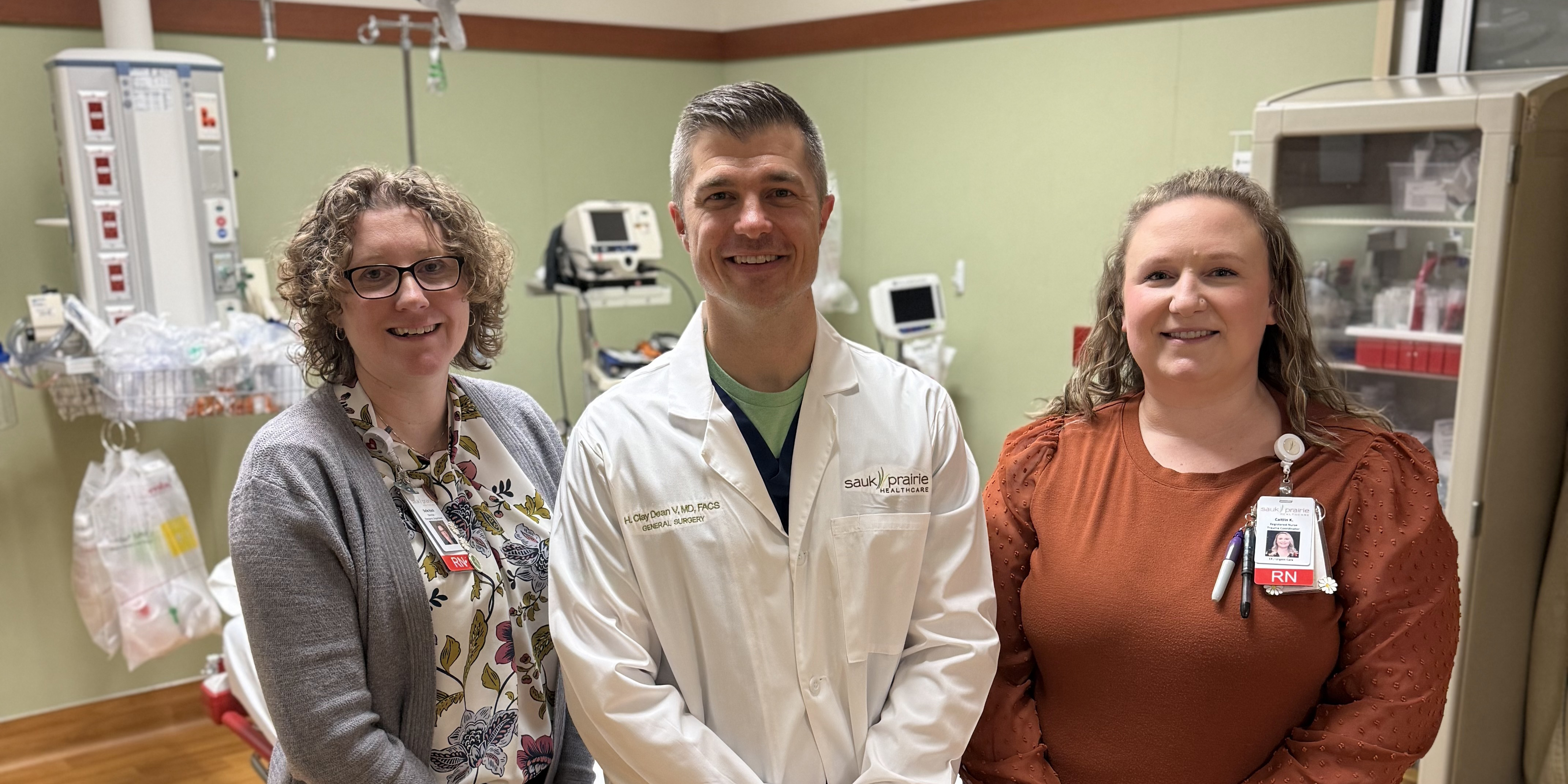 Sauk Prairie Healthcare has earned Level III trauma care classification through the State of Wisconsin’s Trauma Program. Sauk Prairie Healthcare is one of only 23 health systems with that designation in the state of Wisconsin, according to the Wisconsin Trauma Care System interactive trauma map.
“For many of our northern neighbors, we are their closest advanced trauma resource, and we take that responsibility seriously,” said Shawn Lerch, CEO of Sauk Prairie Healthcare. “Level III trauma care isn’t just a designation — it’s a commitment. Every day, our team stands ready to deliver life saving care to the rural communities that rely on us when minutes matter.”
As a Level III trauma care facility, Sauk Prairie Healthcare provides assessment, resuscitation, stabilization, and emergency surgery and arranges transfer to a Level I or II facility for definitive surgical and intensive care as necessary. To achieve this, Sauk Prairie Healthcare demonstrated all criteria required by Wisconsin Administrative code § DHS 118 Appendix A, through a comprehensive application and site visit with clinical experts.
Unintentional injuries are the third leading cause of death for Wisconsinites. In 2022, Wisconsin trauma care facilities entered 42,564 injury events into the Wisconsin Trauma Registry. Wisconsin's Trauma Care System aims to reduce death and disability from traumatic injury by providing the best possible care to trauma patients and their families. Classified trauma facilities play a critical role within the inclusive, voluntary Wisconsin Trauma Care System.
“Meeting the rigorous criteria for a Level III trauma designation is a significant achievement,” said State Health Officer Paula Tran. “We congratulate Sauk Prairie Healthcare for voluntarily participating in the Wisconsin Trauma System, showing their commitment to providing quality trauma care to their community.”
“I’m proud of our trauma team, who put in extra hours of training and stepped up to the state’s demanding review process,” said Lerch.